
The Bodhee Blog.
Perspectives, playbooks, and deep dives on dynamic scheduling for process manufacturing.
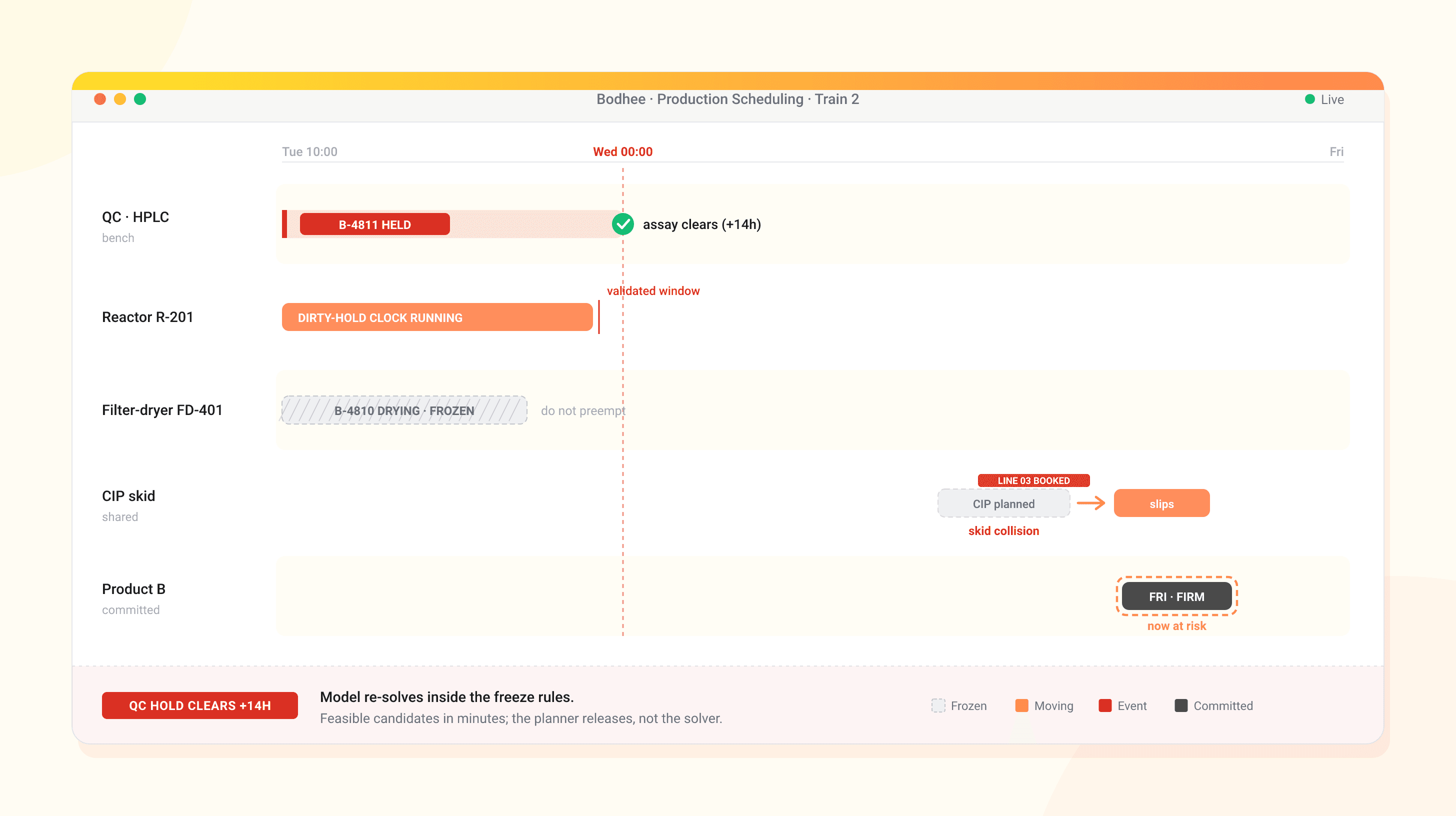
How Dynamic Production Scheduling Works
Dynamic production scheduling is not a faster weekly rebuild. It is an event-driven loop: one QC hold clears fourteen hours late, and the model re-solves from the plant's real state while the planner releases the plan.
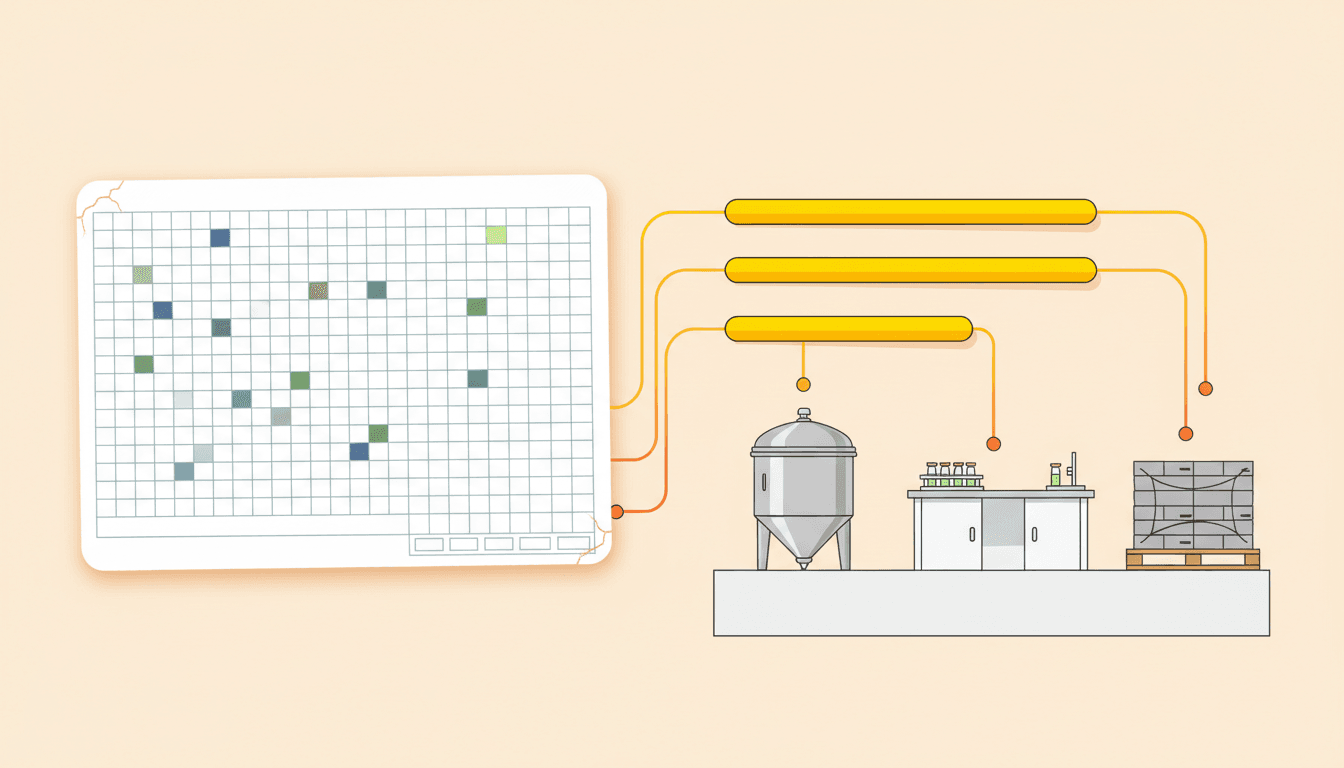
Why process plants still schedule in spreadsheets, and what replaces them
The production spreadsheet doesn't fail because your planner is careless. It fails because it can't see the plant in real time. Here's what event-driven, constraint-aware Adaptive Scheduling puts in its place.
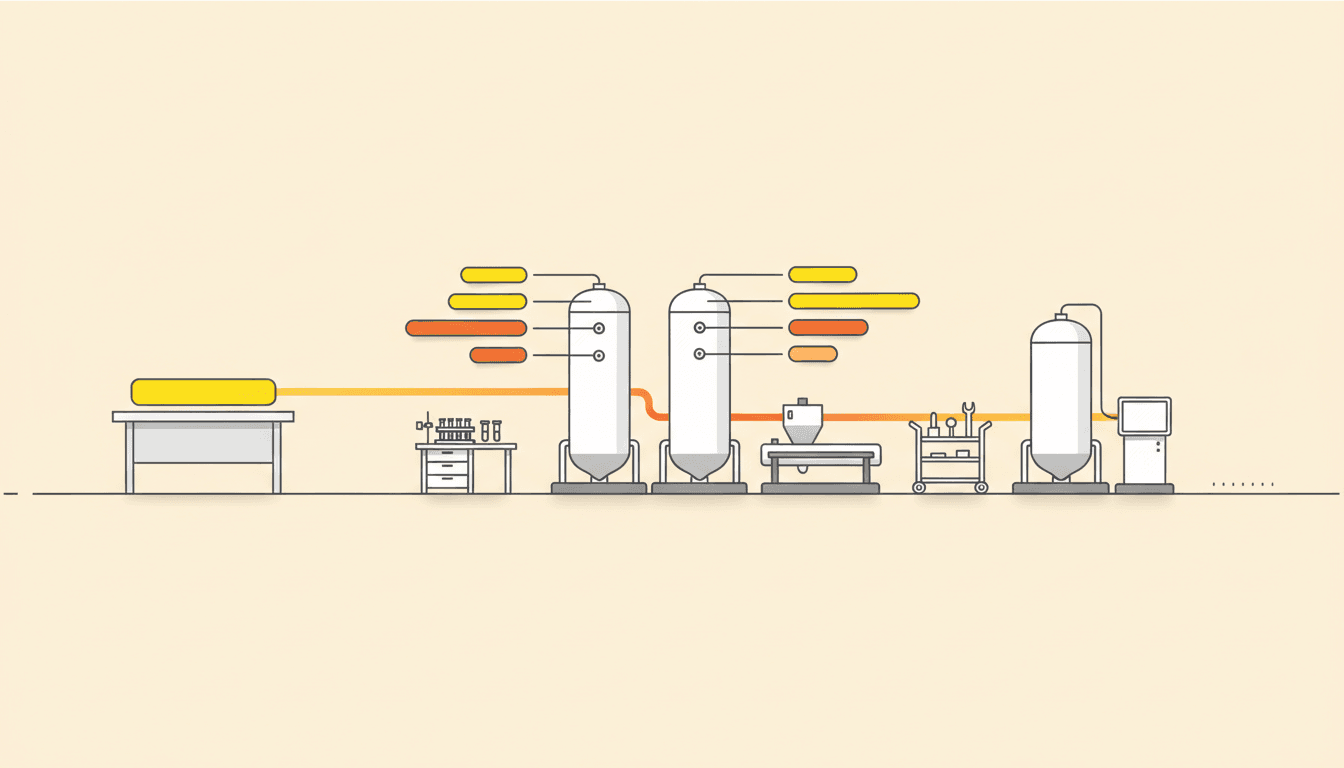
APS vs ERP vs MES: What Is the Difference?
ERP plans the business in months. MES records the floor in real time. APS decides the actual sequence in between. Most scheduling headaches come from expecting one of these systems to do a job it was never built for.
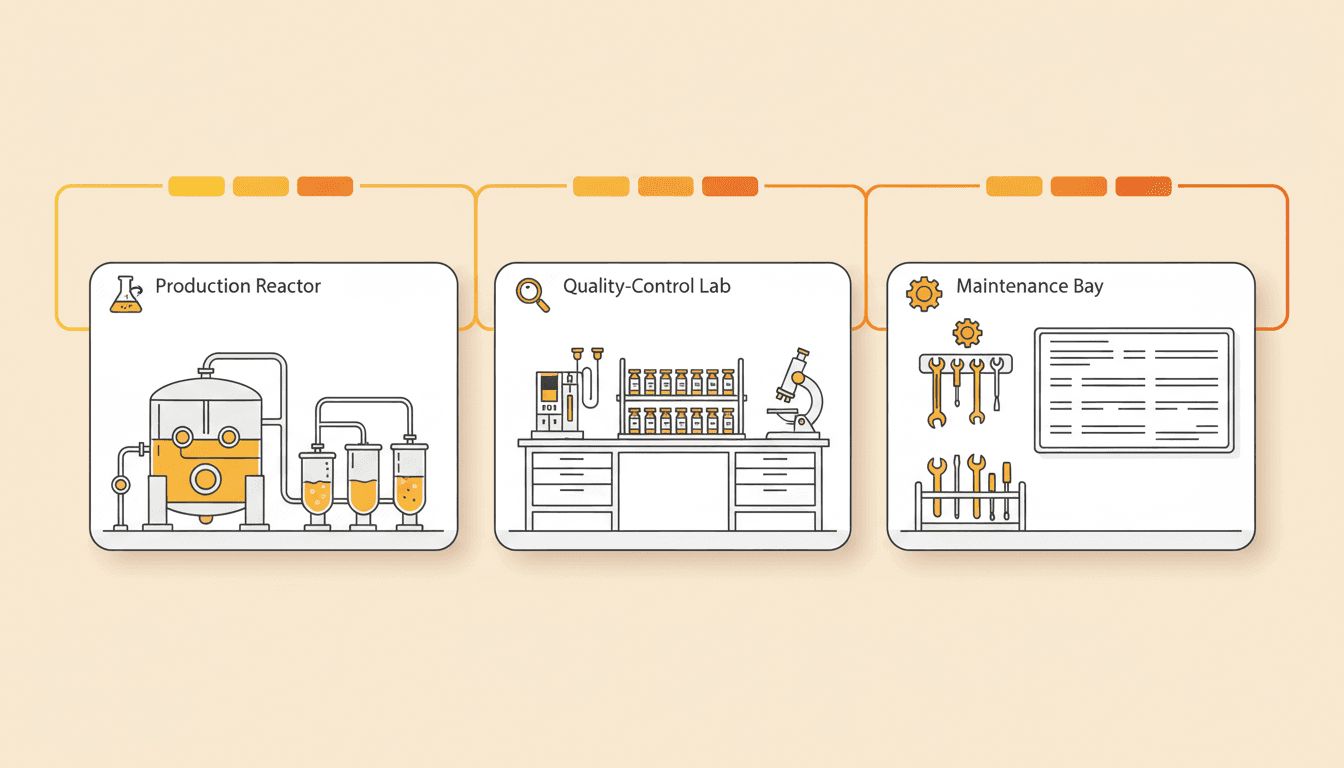
Pharmaceutical Production Scheduling: A Practical Guide
Scheduling a cGMP plant isn't like scheduling any other factory. Cleaning validation, QC release gates, and campaign trade-offs reshape what can run when, and generic schedulers miss all of it.
What is production scheduling software?
Production scheduling software decides what gets made, on which line, in what order, and when. Not the monthly plan, but the hour-by-hour sequence a spreadsheet eventually stops being able to hold.
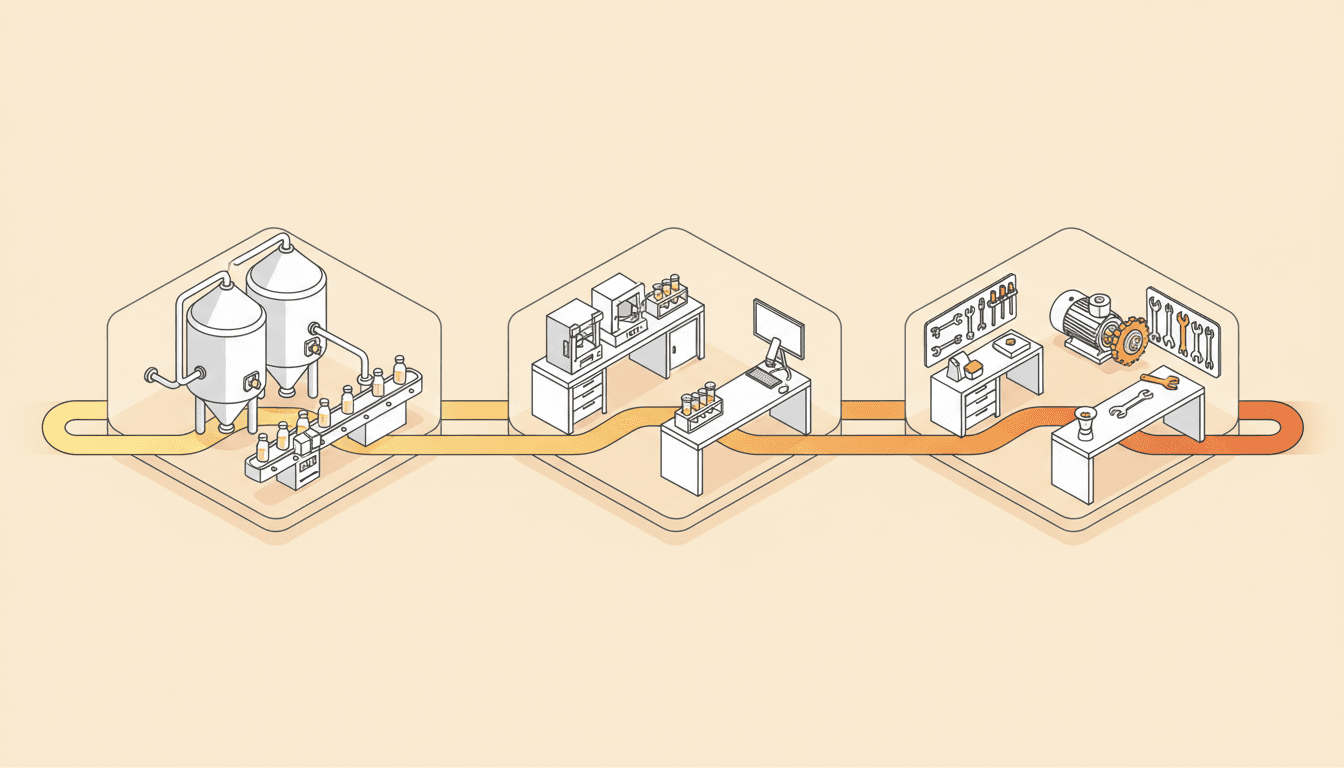
Where scheduling really sits on the BioPhorum DPMM: why most plants score Level 2
Run a DPMM self-assessment on your plant and scheduling almost always lands at Level 2, Digital Islands. The gap to Connected and Predictive isn't a tool problem. It's a cross-functional one.
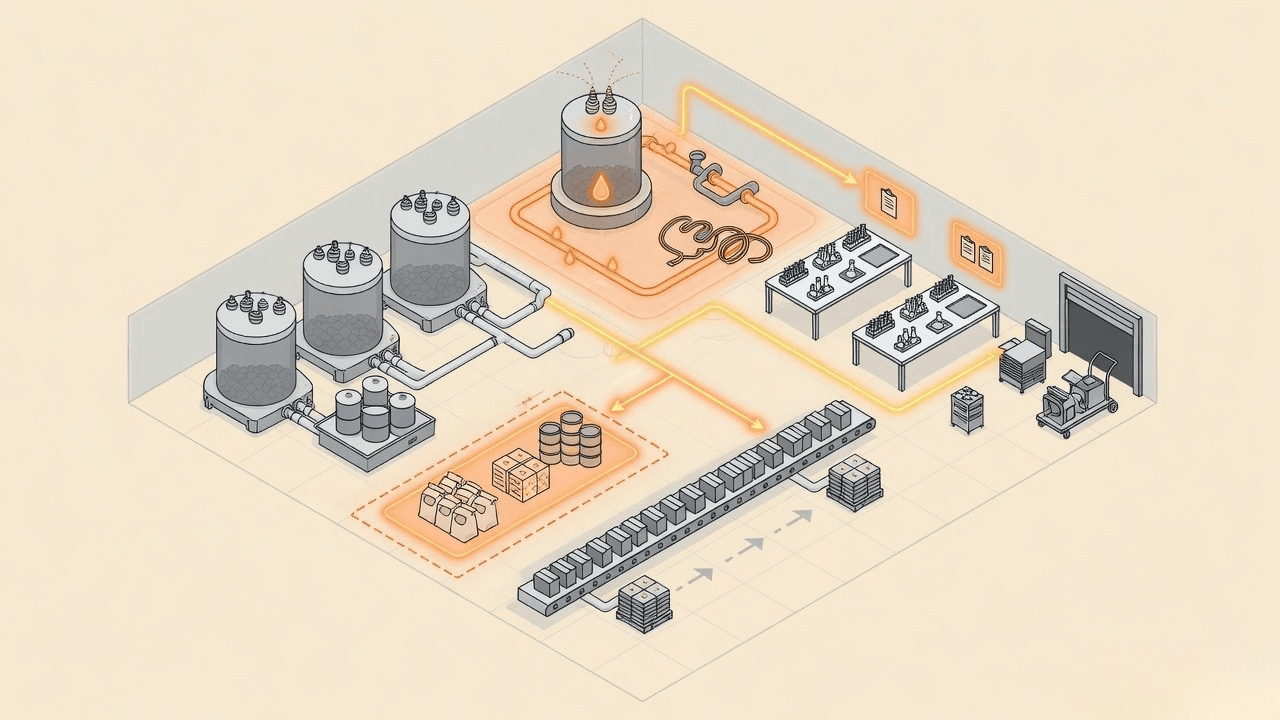
The 30% Problem
Cleaning, changeover, validation, and QC hold consume roughly a third of staffed time. Most schedulers treat them as fixed buffers — or don't model them at all. Here's what it costs.
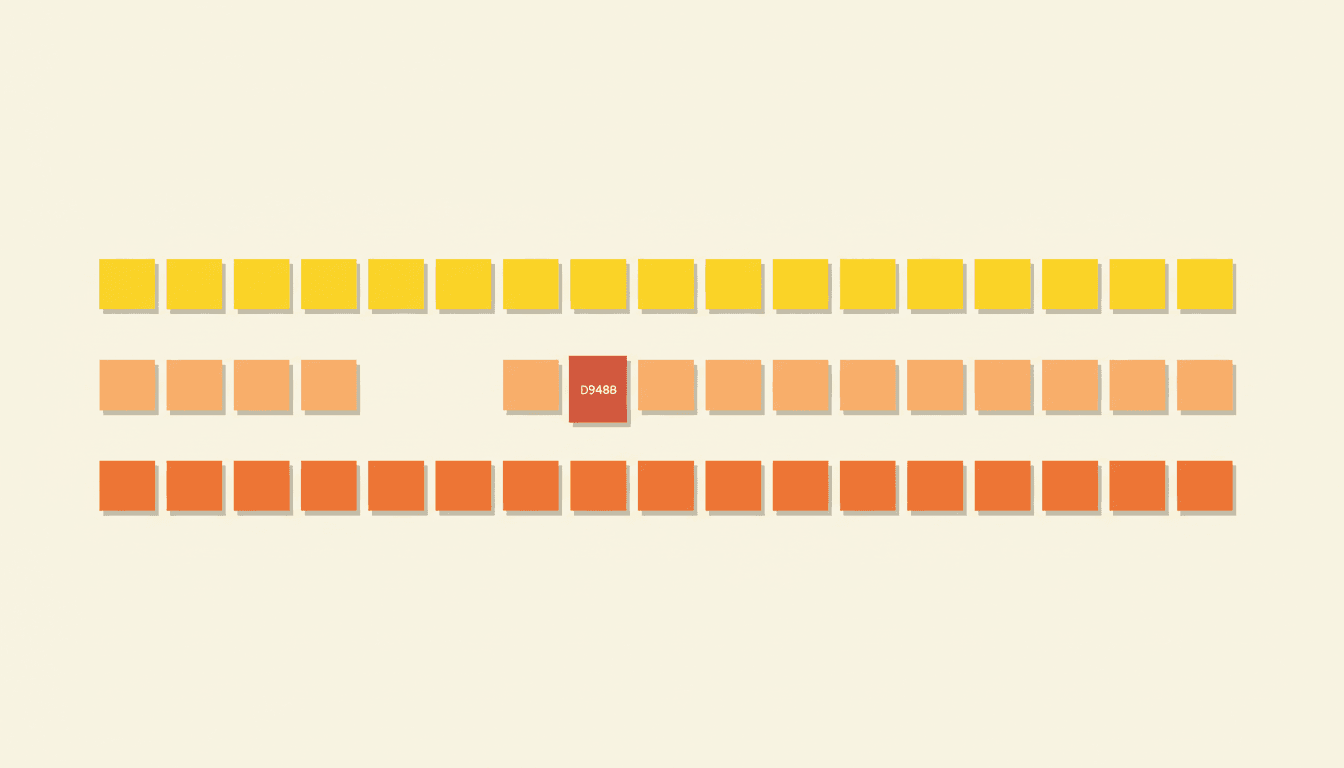
The silo tax — a manufacturing-economics argument for cross-functional scheduling
Production plans the line. QC plans the lab. Maintenance plans the equipment. Each plan is rational. The collision between them costs capacity that nobody invoices, nobody books, and nobody owns. That cost has a name.
Master data drift — the quiet killer of every scheduling rollout
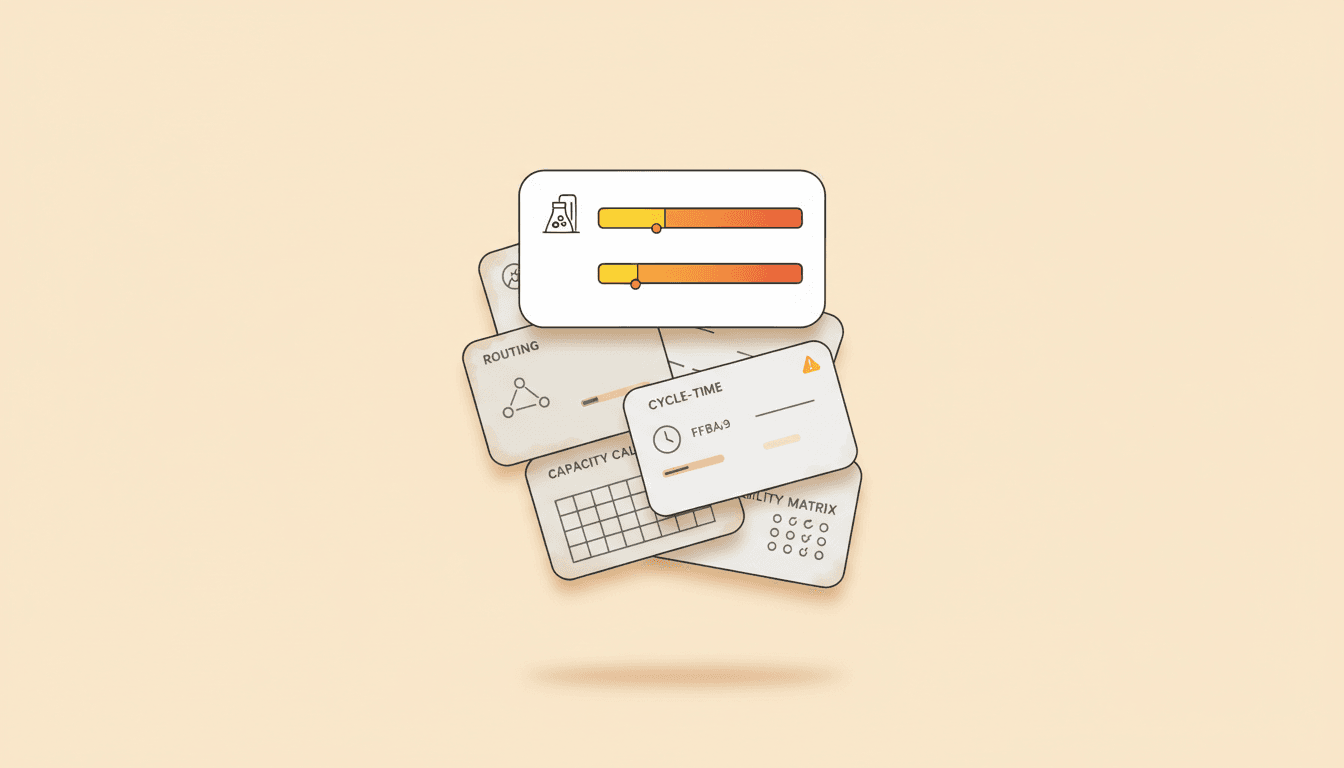
The day you go live is the day your scheduling model starts decaying. Routings move, BOMs change, equipment swaps in. Nobody tells the planner. Six months later the schedule looks fine and runs nothing like the plant.
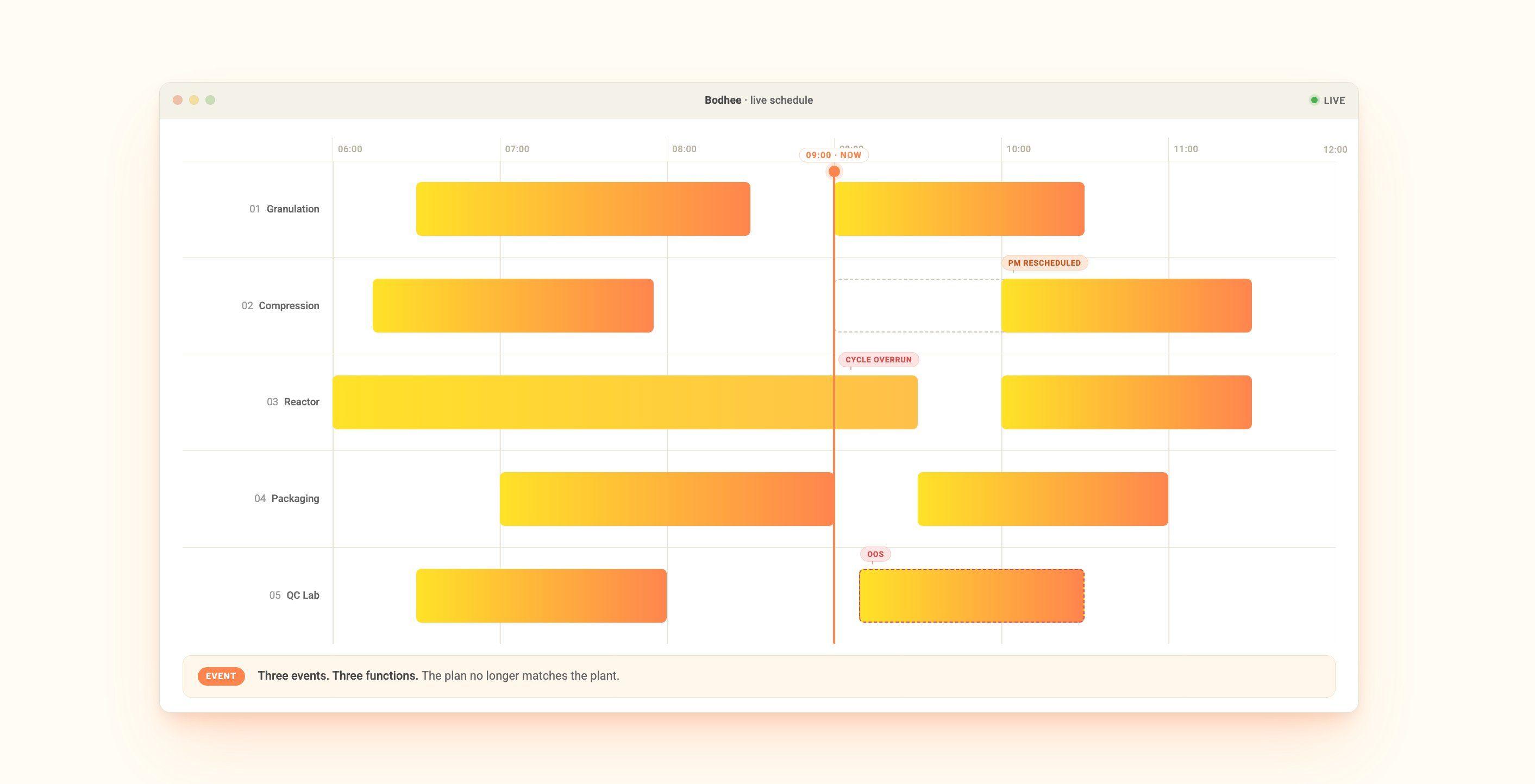
Your schedule is already wrong by 9 a.m.
A static production schedule stops being a plan the moment reality starts moving. Two hours in, you're inside the variance the plan didn't allow for. The fix isn't a faster rebuild — it's a different architecture.